Resilience built into how you operate
A disruption to your business can begin at a door, in a production hall, on a network or in a cold store, and how far it spreads depends on the next few minutes. Prime Critical Operations is a critical event management platform that pulls those signals into one event and runs the response your own team has built, so routine steps handle themselves and your team can make one clear decision with full context.

Trusted by






The Challenges
Detection is solved. What happens next is not.
Your systems already see what happens, each within its own domain. The stretch that costs you is what follows: working out what the signals mean together, deciding who acts, and being able to show afterwards that the response happened in the right order.
The plan exists on paper
You have a documented response plan and it names who answers. No system runs it. Under pressure the response comes from memory, a phone list and whoever is on shift. When a client, an auditor or a court later asks whether the procedure was followed, nobody can show it either way.
One incident, multiple systems
A Reconstructing a single forced-door event means starting from a timestamp in the access system, moving to the video platform, finding the right camera, then repeating all of it if the next site runs something different. The information already exists. Assembling it is the job, and it takes too long while the incident is live.
Exposure where nobody is watching
On paper there is a control room. In practice it is not staffed around the clock, and the sites furthest from head office are the ones nobody has tested. Events increasingly begin outside security, in safety, IT and OT, and the response reaches people who are not in a control room.
Our Capabilities
Converged critical event management, from the first signal to the final record
Real-Time Cross-Domain Correlation
A pump losing pressure and a badge used at the wrong door are the same kind of problem: a signal that means little on its own and a great deal alongside something else. A door forced at 02:17, motion on a camera in the same zone and a badge unused for six weeks are currently three alerts on three separate screens.
Prime Critical Operations reads them as one event, ranks it against everything else in the queue and hands your operator a single task with the location, the linked video and the history attached. The same logic runs across security, safety, IT and OT, so a cold store drifting out of range or a controller dropping off the network arrives the same way. Whether the site is your headquarters or the substation nobody has visited this month, the picture looks the same and so does the next step.
What it covers
- Continuous correlation of signals across access control, video, fire, intrusion, environmental and OT sources
- Related signals grouped into one prioritised event rather than separate alerts
- Location, linked video and event history attached at the point the event is raised
- Event ranking so the most consequential situation surfaces first
- One consistent view across every site in the estate, staffed or unstaffed
- Cross-domain scope, so a process or infrastructure signal is treated as a first-class event
Protocol-Agnostic Integration
You have built your estate in layers over decades and you are not going to replace it. The question that matters is which system speaks what to which, and whether the older site can take part at all.
Prime Critical Operations connects to your existing access-control estate, video management systems, fire and intrusion panels, and OT and industrial control sources, across one site or many. It is built with native MQTT and OPC-UA alongside open APIs, so the protocols your team already runs are the protocols the platform speaks. Your capital investment keeps earning, your team learns one platform instead of one per vendor, and the systems you buy next connect to the same layer.
What it covers
- Standard IT and industry protocols, plus open APIs and standard authentication
- Integration with physical access control system (PACS)
- Third-party VMS, fire, intrusion, perimeter, building automation, facility management, environmental monitoring, critical infrastructure and process-monitoring systems
- OT and industrial control sources together, in the same event view as physical security
- Single-site and multi-site estates, including remote and unmanned assets
- New sources added without re-platforming or replacing the layer beneath
Guided and Automated Response
Knowing sooner only helps if the next ninety seconds are already decided. Your response should run the same way at two in the morning as at two in the afternoon, on a quiet site as on a busy one.
Each type of incident follows a response plan your team can see, build and change in a visual designer. Routine work runs on its own: a door blocks, a notification goes out, a ticket opens. The decisions that need a person arrive as one clear task, and when your operator confirms, the response executes as one coordinated action across every system that has to move.
Alerting is driven by your floor-plan model, time and attendance records, business systems and badge data. On a confirmed event, the platform can reach the people actually inside the affected space, including employees, contractors and visitors.
What it covers
- Response plans modelled in BPMN, a published open standard, in a visual designer
- Automated execution of routine steps across connected systems
- Decisions requiring judgement routed to the right operator as a single task
- Location-aware notification driven by who is badged into the affected space
- Employee, contractor and visitor records used to reach the right people
- Response plans referencing rooms and zones through your floor-plan model
- Consistent execution across shifts, sites and operator experience levels
Alarm-Linked Video with AI Analytics
Most of the delay in a control room goes on turning an alarm into something an operator can act on, and that usually means finding the picture that explains it. Now every alarm arrives with the relevant camera feed already linked, enabling operators to verify incidents in seconds. Prime Video Intelligence, powered by Iveda, adds advanced AI analytics and the platform also works alongside native camera detections to turn your video estate into a network of active sensors. Safety, access, vehicle, crowd and operational events are consolidated into a single operational view across new and legacy cameras alike. AI reviews at scale. Your operator retains control of the decision.
What it covers
- Relevant camera feed linked to the alarm at the moment the event is raised
- Video analytics with object detection, pattern analysis and more
- Safety and access detection, vehicle, crowd and operational insight
- Analytics available on existing and legacy cameras, not only on new AI-capable hardware
- Video is used to confirm an event before a response is committed
- Analytics that prioritise and enrich, with the decision left with your operator
Human Oversight and the Record
Two questions follow every serious incident: who decided, and can you show it. Both are answered by how the platform is built rather than by what your team remembers.
A person makes every call that matters, which is how the EU AI Act expects high-risk systems to be overseen. Every action carries a timestamp as it happens, so the sequence you file with a regulator, present to your board or attach to a works agreement is the sequence that occurred.
What it covers
- Human-in-the-loop by design, aligned to EU AI Act
- Every action is timestamped as it happens, building the record during the event
- Evidence produced on request rather than reconstructed afterwards
- Access is limited by purpose and role, with an audit trail
- Documentation of what the platform collects, retains and displays
- Reporting outputs that support oversight, audit readiness and regulatory compliance.
Flexible Deployment: SaaS, On-Premises, Hybrid
Where this runs is decided by your policy, your regulator and your OT network. That should not decide which capabilities you get.
Prime Critical Operations runs as cloud SaaS, as a fully isolated on-premises deployment with no data leaving the building, or as a hybrid that processes video and machine data locally and raises triggers to the cloud. You get the same platform, the same workflows and the same operator experience in each case, so your team is trained once and a site with stricter requirements joins the same estate rather than running a different product. Primion is European-owned and German-engineered, and your data stays in the EU under European law.
What it covers
- Cloud SaaS deployment
- Fully isolated on-premises deployment, with no data leaving the building
- Hybrid deployment with local pre-processing of video and machine data
- The same platform, workflows and operator experience across every model
- European ownership and EU data residency
- Deployment chosen to fit data-sovereignty, latency and OT-network requirements
What It Means for Your Business
An incident is never one team’s problem
The control room
Today your operator assembles the picture from five screens before they can act, and how well that goes depends on who is on shift. Now the event can arrive already correlated as one clear next step, and the response runs from the workflow rather than from memory. Every shift handles it the same way, and the record writes itself.
Operations and facilities
A cold store drifting out of range or a pump in a plant room losing pressure costs you the same output as a security incident, and today each is found by a different team, usually once someone complains. Those signals can now arrive in the same view as a forced door, early enough to stay a maintenance item rather than a stoppage.
Safety and emergency response
Your emergency plan names a mustering point and a call order, and today it runs from memory and a phone list while someone works out who is actually in the building. Now it can run as a workflow. The fire brigade is alerted, the affected zone comes from the floor plan, and the people badged in are contacted directly, contractors and visitors included.
IT and OT security
NIS2 and the CER Directive put physical, IT and OT resilience on your desk together, and the physical estate sits on your network and outside your controls. Now you run all three from one place, deployed on the infrastructure your policy allows, with every action timestamped for the reporting deadline.
Discover How Converged Security Strengthens Your Organisation!
See how merged security systems help you eliminate blind spots, improve response times, and stay ahead of evolving threats.
Reference Projects
Where Primion delivers
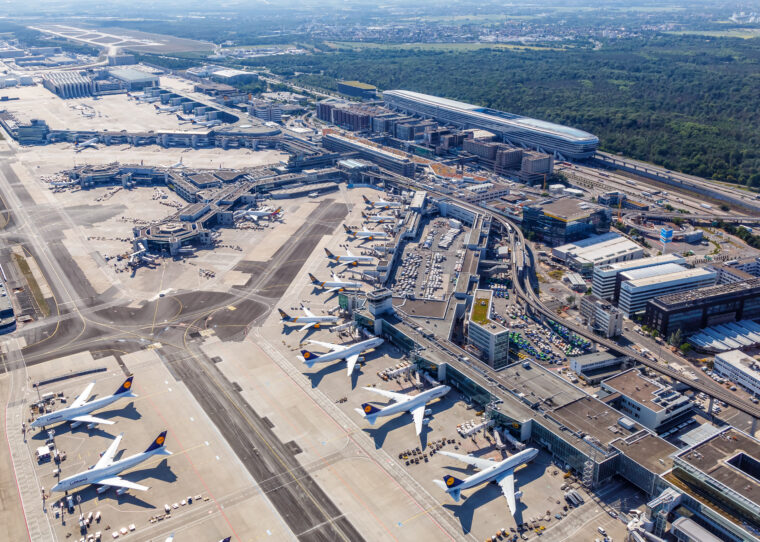
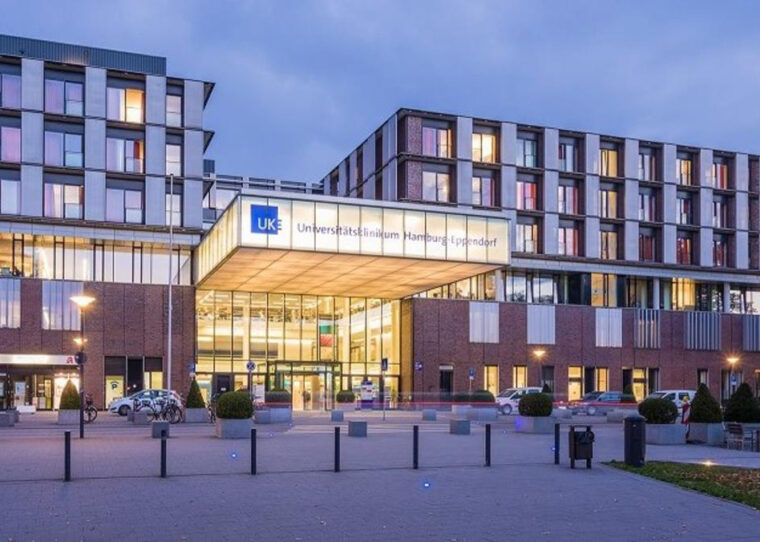
Prime Critical Operations is built for organisations where an incident crosses teams, sites and systems, and where the response has to stand up to scrutiny afterwards. See how our customers work with Primion.

Frequently Asked Questions about Prime Critical Operations
What is critical event management?
Critical event management is the practice of handling any event that threatens to interrupt an organisation’s essential operations, from the moment a signal appears to the moment the response is closed and recorded. A critical event management platform correlates signals from across an estate, runs the response plan, coordinates the people and systems involved, and keeps a timestamped record. The scope is deliberately wider than security. A fire, a chemical release, a cold-chain failure, a controller dropping off the network, a delayed delivery to a production line or a forced door can all interrupt operations, and they are managed in the same place.
How is Critical Event Management (CEM) different from a PSIM system?
Most of what threatens an operation today is not a security event. A weather warning before a site closure. A refrigeration failure that puts stock at risk. A delayed delivery that threatens production output. A critical HVAC, power or water-system alarm. Prime Critical Operations covers the device layer a PSIM covers and adds cross-domain correlation, workflow-driven response, location-aware notification and an audit trail built during the event, so the things that never needed an operator never reach one.
What systems can Prime Critical Operations connect to?
Your existing access-control estate, third-party video management systems, fire and intrusion panels, perimeter detection, environmental and process monitoring, and OT and industrial control sources. The platform is built with native MQTT and OPC-UA alongside open APIs and standard authentication, so integration works through the protocols your team already operates. Single-site and multi-site estates are both supported, including remote and unmanned assets.
Do we have to replace the systems we already run to work with Primion?
No. Prime Critical Operations sits above the estate you already have. Your access control, video and fire systems continue to perform their role, while the platform correlates events, orchestrates response workflows and maintains the operational record. By preserving and extending the value of existing infrastructure, organisations can modernise operations without replacing the systems they already trust. This is especially important in estates built up over decades, where a unified operational view does not require a wholesale replacement of the device layer.
Can our own team build and change the response workflows in the Prime Critical Operations platform?
Yes. Response plans are modelled in BPMN, a published open standard, in a visual designer. Your team can see the whole flow, change a step and understand what will happen before it happens, without engineer-written script and without a services engagement for every process change. Plans reference rooms and zones through your floor-plan model rather than individual devices, so adding a site or swapping a controller does not mean rewriting the logic.
How does Prime Critical Operations use AI, and who makes the decision?
The AI works on the volume and your team keeps the judgement. Prime Video Intelligence, powered by Iveda, adds advanced video analytics, while Prime Critical Operations also consumes detections from native camera AI and other connected systems. Cameras become active sensors, and the correlation engine brings the relevant signals forward with context attached. A person then decides, which is how the EU AI Act expects high-risk systems to be overseen. AI can review all of the footage where a person has historically reviewed only a fraction of it, while the human retains the decision and the accountability that goes with it
Does this replace our emergency notification platform?
It depends on what you need. Prime Critical Operations delivers location-aware alerting inside your estate: on a confirmed event it can identify who is badged into the affected space, including visitors and contractors, and reach those people directly. That is different from mass notification at national or global scale, which is what a specialist notification vendor is built for. If you already run one of those platforms, Prime Critical Operations acts as the converged physical, OT and IT command layer beneath it and feeds it better information.
Does Prime Critical Operations help with KRITIS, NIS2, CER and the EU AI Act?
It supports them as a consequence of how it works, not as a separate compliance module. NIS2 and the CER Directive put physical, operational and cyber resilience under one accountability with one reporting clock. Germany’s KRITIS-Dachgesetz, sets a fixed sequence of registration, risk analysis, resilience measures and audit. France’s Loi Résilience introduces a Plan de Résilience Opérateur on a similar principle. Each asks you to show the sequence of a response rather than just its outcome, and because Prime Critical Operations runs the response from a documented workflow and timestamps every action, that evidence exists as a byproduct of normal operation. Compliance itself remains an organisational outcome that needs policies, people and accountability. No software product delivers it on its own.
From response plans to operational execution
Discover how Prime Critical Operations can turn the plan you have already written and approved into something your systems execute, across security, safety, IT and OT.